Posted by
 A new study explores an unusual possibility in the search for extraterrestrial intelligence: the most durable evidence of alien technology may not be radio signals, laser pulses, or monumental megastructures, but microscopic dust!
In the recent paper Dust to Dust: Prospects for Passive Technosignatures as Relics of ETI, astrophysicist Brian C. Lacki examines how technological civilizations separated from us – not only by distance, but by time – might still leave detectable traces long after disappearing. Instead of focusing on active broadcasts that require maintenance and energy, the study considers “passive technosignatures” – artificial systems that use natural light sources, such as stars or X-ray binaries, to create detectable signals.
Examples include reflective artifacts in the Solar System, mirror-like structures producing brief glints, artificial occulters causing unusual stellar dimming, and lens systems capable of amplifying radiation from compact objects. Such signals could, in principle, outlive their creators and act as cosmic relics.
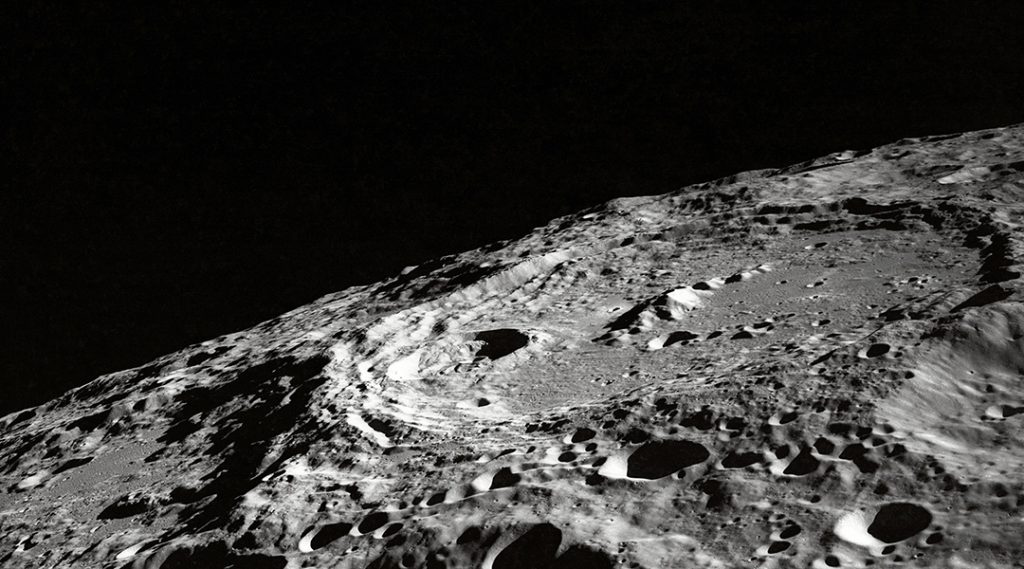
Yet the study highlights a major problem: large artificial swarms may be unstable over astronomical timescales. Without active control, elements in a megastructure or beacon swarm could collide, fragment and trigger a destructive cascade. Even ambitious structures such as Dyson-like swarms might eventually grind themselves down. Paradoxically, this destruction may create the longest-lived technosignature. As fragments become small enough, radiation pressure can push them out of their home system and into interstellar space. These “technograins” could drift through the Galaxy and, in rare cases, settle on airless bodies such as the Moon, where they might remain preserved for billions of years.
The work reframes SETI as a search not only for living civilizations, but also for archaeological traces of technological activity. If advanced societies are brief on cosmic timescales, their final message may be neither deliberate nor grand – it may be just simple dust.