Posted by
SETI Institute astrobiologist Dale Andersen is preparing for a new field season at Lake Untersee, a permanently ice-covered lake in Antarctica that serves as one of Earth’s most valuable natural laboratories for studying life in extreme environments.
The expedition, scheduled for late October 2026, will be Andersen’s second visit to Lake Untersee this year. The research is coordinated through the SETI Institute’s Carl Sagan Center and brings together an international team studying the lake’s geological and biological history.
A major goal of the fall expedition is to recover sediment cores approximately 2–3 meters long from the lake floor. Researchers will use these samples for geochemical analysis and dating, while additional material may be collected from nearby moraines to reconstruct the movement of glaciers through time. Dating Lake Untersee’s sediments is especially challenging, as ancient carbon released from melting glacial ice enters the lake, while its permanent ice cover limits exchange with the modern atmosphere. As a result, even living microbial mats can appear roughly 10,000 years old in conventional radiocarbon measurements. The team therefore plans to combine radiocarbon results with independent techniques such as luminescence dating.
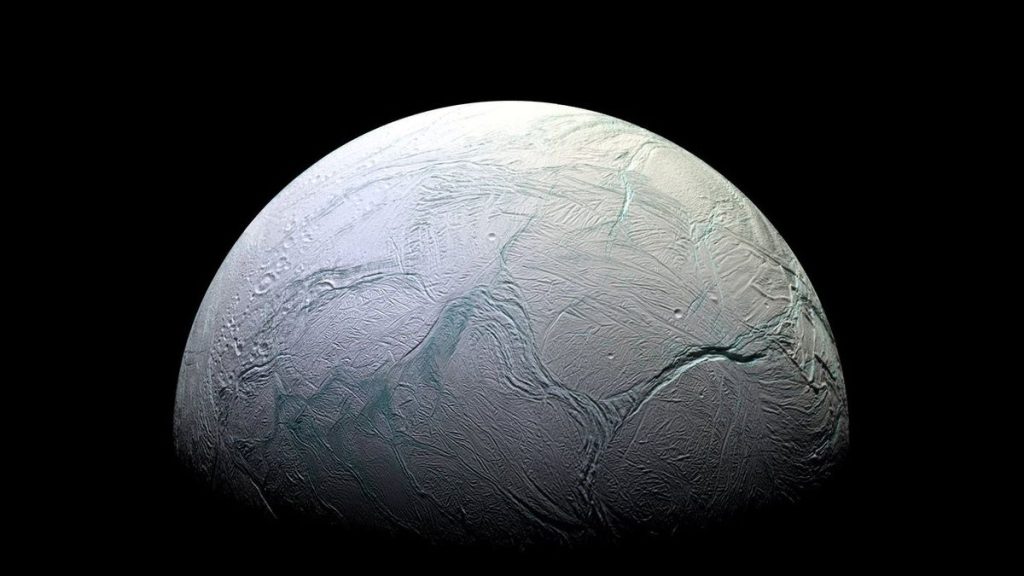
Lake Untersee is particularly important to astrobiology because beneath its thick ice survive extensive microbial communities dominated by cyanobacteria. These ecosystems resemble some of Earth’s earliest known microbial environments, whose structures are preserved in rocks more than three billion years old. Studying how such organisms survive under cold, isolated and low-nutrient conditions can help scientists understand the limits of life, which makes the lake relevant to the broader search for life beyond Earth. Similar strategies may be needed when investigating Mars or the subsurface oceans of icy moons such as Europa and Enceladus. Antarctic fieldwork also provides practical experience for conducting science in remote environments where equipment, logistics and human activity must operate under severe constraints. By combining microbiology, geology and planetary science, the Lake Untersee project helps connect Earth’s ancient biosphere with the search for habitable environments elsewhere in the Solar System.
For more details, read the full article by SETI Institute.