Posted by
For decades, comets have been considered possible delivery vehicles for the molecules that helped start life on Earth. Because they contain carbon- and nitrogen-bearing compounds, including important prebiotic molecules, scientists have long suggested that comet impacts may have supplied early Earth with some of the chemistry needed for life. A new study led by researchers at the University of Cambridge, however, suggests that this scenario was far less likely than previously thought.
Using computer simulations of comet trajectories, atmospheric entry, and impacts, the researchers found that most comets would strike Earth too quickly and at unfavorable angles for fragile organic molecules to survive. Instead of reaching the surface intact, compounds carried by the comet would usually be destroyed or vaporized. The team focused on hydrogen cyanide (HCN), a molecule frequently detected in Solar System comets and considered important in prebiotic chemistry. Even when simulations allowed some HCN to survive an impact, events capable of delivering useful concentrations were extremely rare.
The timing presents another difficulty. Comet impacts became much less frequent during Earth’s first 500 million years, leaving only a small number of possible opportunities for successful delivery. Any surviving HCN would also have dispersed relatively quickly, meaning that the chemical reactions leading toward life would have needed to begin soon after impact. The researchers therefore conclude that cometary delivery cannot be completely excluded, but it would probably have required an exceptionally rare combination of impact speed, angle, survival, concentration, and subsequent chemistry.
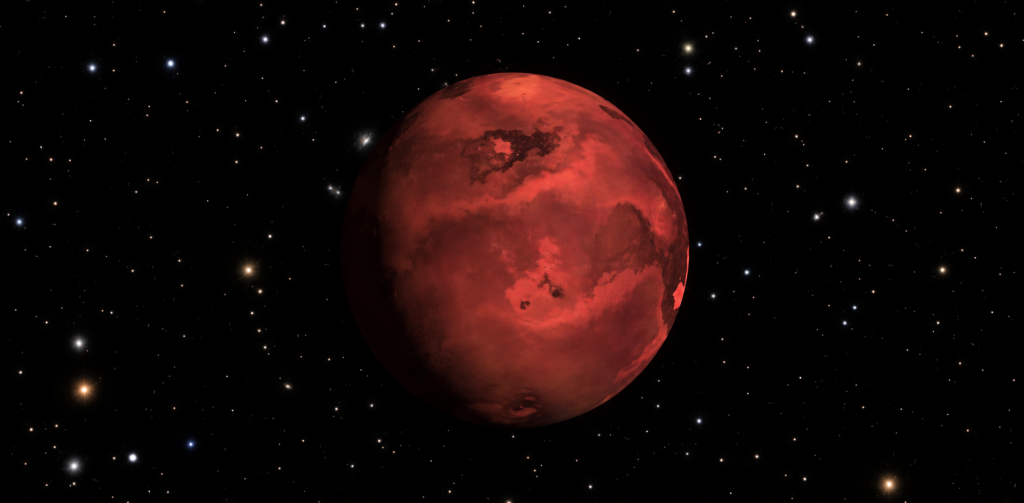
Other explanations may be more plausible. Prebiotic molecules could have been produced during asteroid impacts, which occurred more frequently, or formed through chemical processes taking place directly on early Earth. Interestingly, the simulations suggest that Mars may have been somewhat more favorable for cometary delivery. Its lower gravity and thinner atmosphere could have allowed more cometary material to reach the surface intact, particularly during the young Solar System.
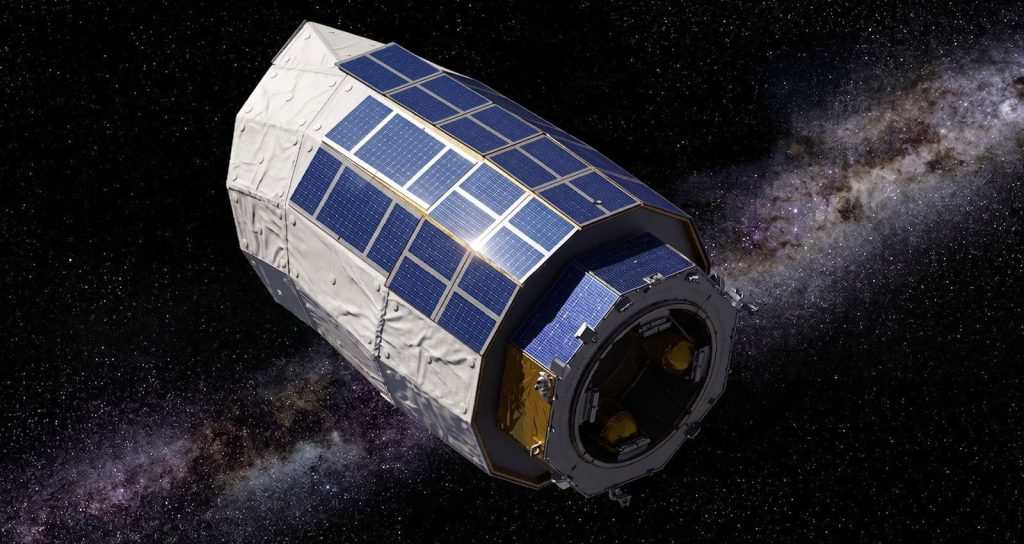
The study also has implications beyond Earth. Future missions such as the proposed Habitable Worlds Observatory could examine planetary systems where closely spaced planets allow comets to lose speed through repeated gravitational encounters. Identifying such systems may help astronomers determine where cometary delivery of organic molecules is genuinely possible – and where life’s chemistry must arise by other means.
For more details, read the full article by University of Cambridge.