Posted by
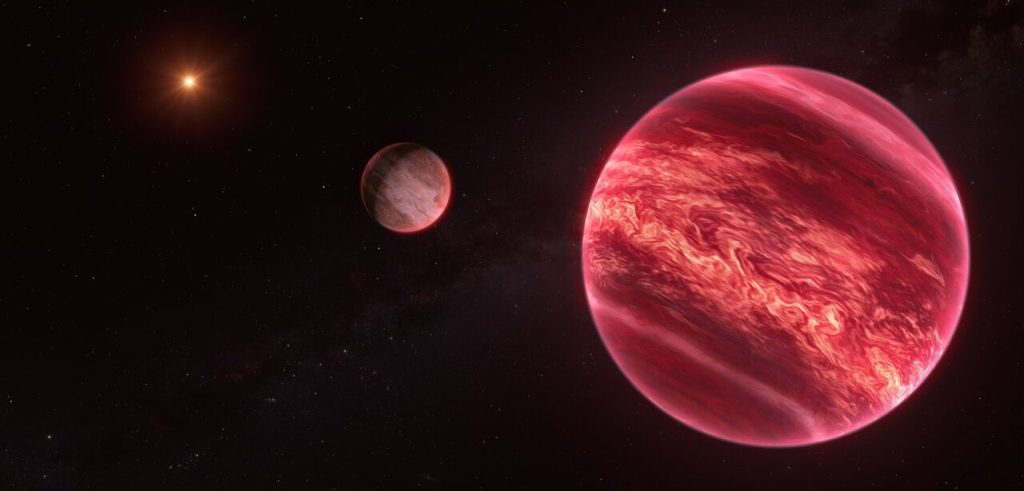
 Astronomers at Lund University have found evidence that exocomets may be moving through the young planetary system PDS 70, potentially transporting water and other volatile materials from its cold outer regions toward areas where planets are forming.
PDS 70 is just over five million years old and lies about 370 light-years from Earth. The system contains at least two gas giants and orbits a star slightly cooler than the Sun. Water vapor had already been detected close to the star in 2023, and the new study provides a possible explanation for how some of that material could be transported inward.
The researchers analyzed observations from 2018 and identified variable sodium gas moving several kilometers per second relative to the star. The signal appeared and disappeared over several nights, behavior consistent with comets passing in front of the star. As a comet approaches its host star, heating causes surface ice to sublimate directly into gas. That escaping material can leave detectable absorption signatures in the star’s light. According to the researchers, this represents the first proposed evidence for exocomets around a relatively cool, Sun-like star and the youngest planetary system in which such activity has been suggested.
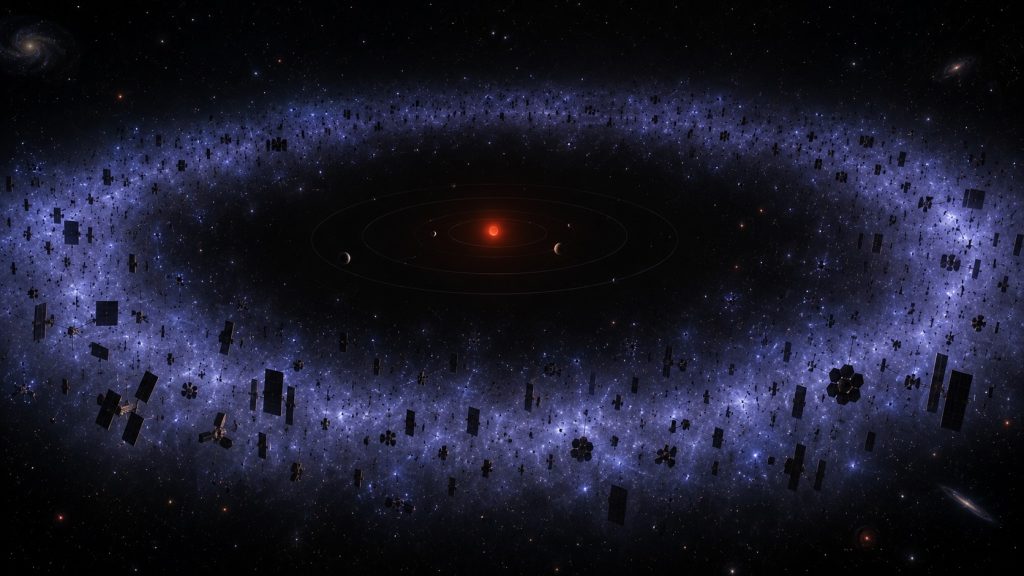
Computer simulations also show how the process could work. Comet-like bodies forming in the cold outer regions of PDS 70 may be gravitationally disturbed by the system’s giant planets and scattered toward the inner disk. Because these objects can contain substantial amounts of frozen water and other volatile compounds, they could deliver important planetary ingredients to regions where rocky worlds are developing. The scenario resembles one proposed for the early Solar System, where comets and water-rich asteroids may have contributed to Earth’s water supply.
Future observations with the Extremely Large Telescope could reveal additional planets in PDS 70 and help astronomers understand how giant planets influence the movement of water and other materials through young planetary systems.
For more details, read the full article by Lund University.